The Wild Heart
For the teen who'd rather be anywhere else (we love them): the story as a hard-hitting rap, plus a question worth arguing about.
Singer: Narty, raw rap · this week: Lech Lecha
For families just starting out
Every Thursday: the week's Torah story in plain words, one Shabbat thing to try, a game that brings the kids in, and four songs for the different kids at your table. No experience needed.
See this week's packet (Lech Lecha) Get it every Thursday
No background needed. A parsha is the weekly Torah portion. Shabbat is the Jewish day of rest, from Friday at sunset to Saturday night. We explain every word as we go. Brand new? Start with Shabbat 101.
This Shabbat · 24 Oct 2026: Lech Lecha לך־לך · same reading in Israel and abroad
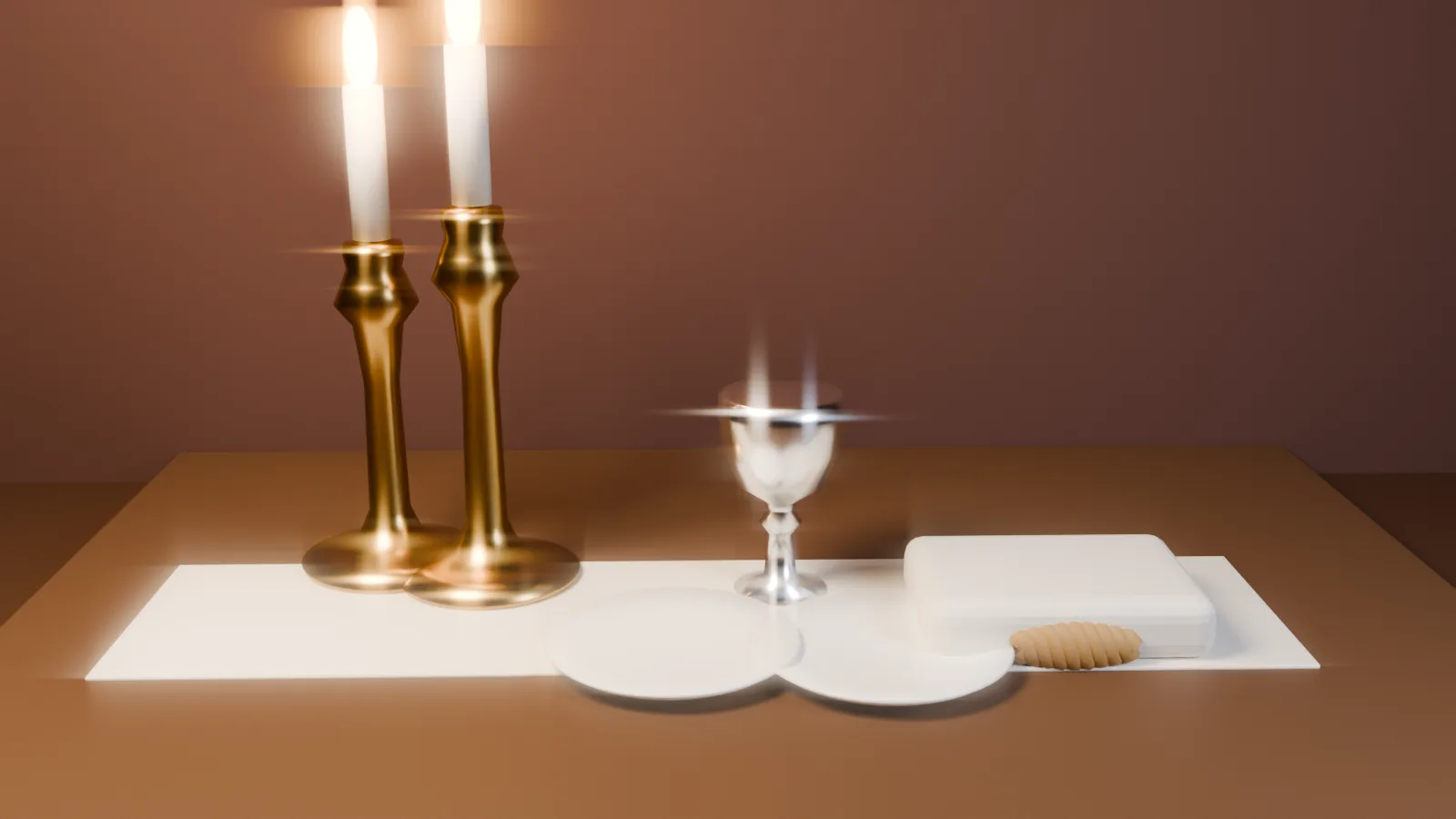
One simple loop, every week.
New to Shabbat?
The basics in seven small steps, each with what you need and the words in Hebrew, transliteration and English. Add one at a time.
Every family has different kids. Each packet tells the story four ways, each with its own singer, so every kid gets something cool to share about the parsha.
For the teen who'd rather be anywhere else (we love them): the story as a hard-hitting rap, plus a question worth arguing about.
Singer: Narty, raw rap · this week: Lech Lecha
For the little ones and the grandparents who tell them stories: a cozy, bedtime-style telling and a singalong niggun (a wordless tune).
Singer: Zeide (Yiddish for grandpa), a warm storyteller · this week: Kinderlach, Hert Zich Tzu (Lech Lecho)
For the girls and young women who feel every story deeply: the quiet, heartfelt side of the parsha.
Singer: Soulful, a female soul singer · this week: Sheva Yipol
For everyone who loves Sephardi and Mizrachi warmth (Jewish traditions from North Africa and the Middle East): melody, custom and an open door.
Singer: Mizrachi, a soulful male singer · this week: Kulam Tzaddikim, coming Thursday 22 Oct
Yes, especially you. Parsha Table is made for families who are just starting out, or coming back after a long time. We start from the very beginning, explain every word, and never assume you already know something. Nobody here is behind.
No. Every blessing comes in Hebrew, in transliteration (the Hebrew sounds written in English letters) and in English. Read whichever you like, or play a recording and follow along.
Then you did one thing, and that's wonderful. Each week suggests a single small step: candles one week, Kiddush another, a guest the week after. Shabbat is built one step at a time, and every step counts on its own.
No. Take what works for your home, at your own pace. Families from every background use Parsha Table. When you want to go deeper, a local rabbi, teacher or community is a wonderful next step.
Every family has different kids. Each week the story is told four ways: as a rap for teens, as a cozy story for little ones and grandparents, as a heartfelt take for girls and young women, and with Sephardi and Mizrachi melody (Jewish traditions from North Africa and the Middle East). Each seat has its own song and one cool thing to share with your kid.
Nothing. It's free, there's no account to create, and every packet is printable.
Weekly. A new packet goes up every Thursday, in time for Shabbat. Get Parsha Table in your inbox every Thursday. Free. Sign up with the "Get it every Thursday" button, or follow @elijahtales on Instagram.
Elijah Tales, a Jewish music channel on YouTube (@ElijahTales), produces a new song on each week's parsha, in four voices, one for each seat at the table.
Parsha: the weekly Torah portion. Torah: the Five Books of Moses. Shabbat: the day of rest, Friday sunset to Saturday night. Kiddush: the blessing over wine or grape juice that starts the Shabbat meal. Challah: braided Shabbat bread. Havdalah: the short goodbye-to-Shabbat ceremony on Saturday night. Zeide: grandpa, in Yiddish.